Rocky Mountain TCM
Acupuncture · TCM Dermatology
Siddha Varma Therapy
Rocky Mountain TCM
Acupuncture · TCM Dermatology
Siddha Varma Therapy
Classical Nei Jing Style Acupuncture
Acupuncture built around the individual pattern.
Acupuncture built around the
individual pattern.
A classical approach to acupuncture rooted in the Huangdi Neijing, the foundational medical text of Chinese medicine. Treatment focuses on restoring healthy circulation through the body’s vessels and tissue planes, identifying areas of obstruction or imbalance, and helping the body return toward a more coherent state of function.
Over 18 years of clinical experience in acupuncture and Chinese Medicine.
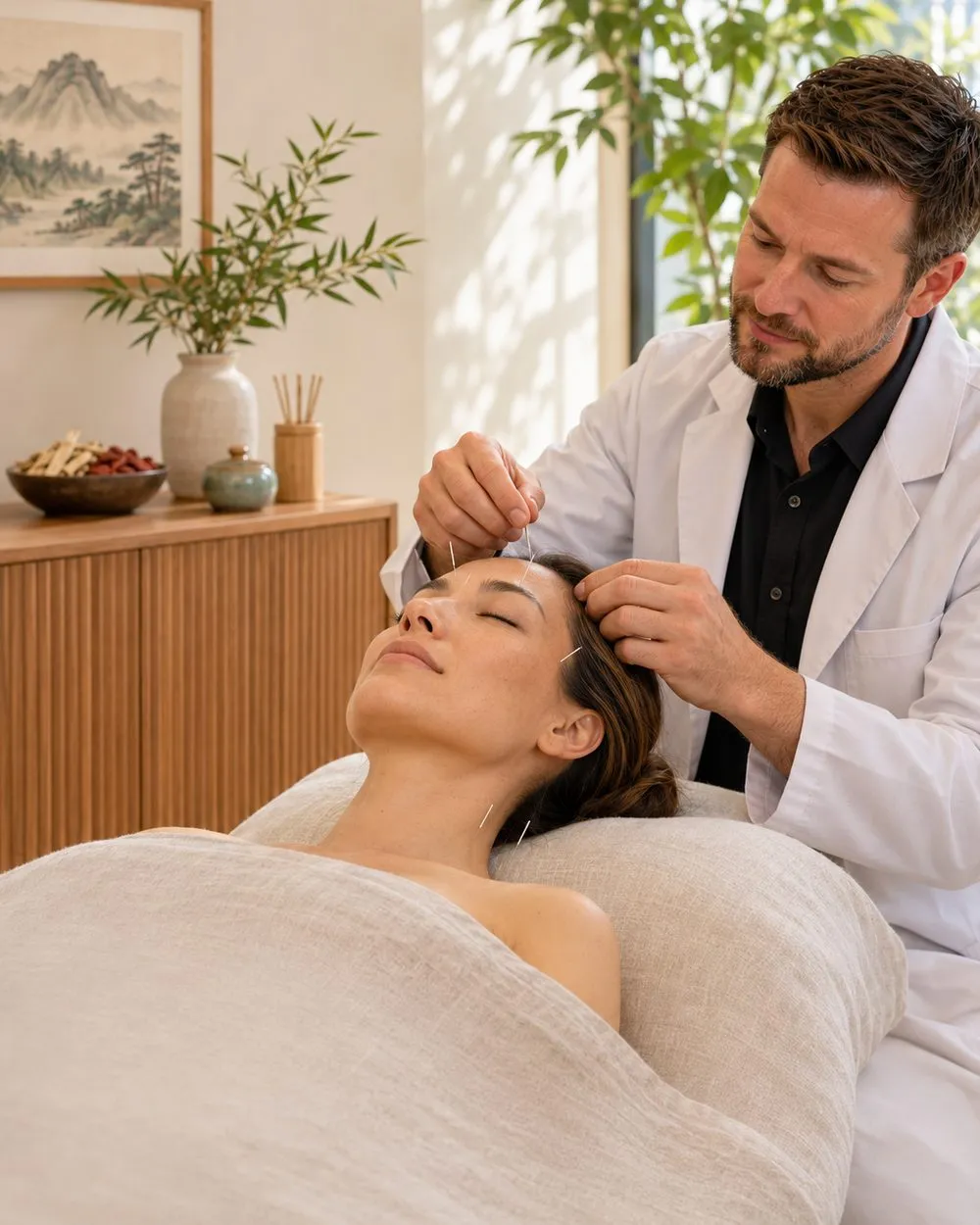
A circulation-based clinical method.
Treatment is directed by the condition of the body’s circulatory pathways, tissue planes, and the specific pattern present at each visit.
18+ Years
Clinical experience
Individualized
Every treatment plan
Classical
Nei Jing-based perspective
Whole-Pattern
Beyond isolated symptoms
TRADITIONAL ACUPUNCTURE
The treatment begins with understanding circulation, structure, and pattern.
Neijing Classical Acupuncture differs substantially from modern point-action acupuncture. Rather than beginning with a list of points assigned to a disease or symptom, treatment begins by examining how circulation is moving through the body, where normal movement has become disrupted, and which tissue planes or regions are involved.
The Neijing describes the body through interconnected circulatory pathways traditionally called mai vessels, together with distinct tissue planes and regional systems. Clinical assessment uses the patient’s history alongside physical findings including traditional pulse and regional diagnostic methods to identify areas of obstruction, deficiency, excess, or disturbed circulation and determine how treatment should proceed.
01
Treatment is based on the condition of the circulatory pathways and tissue
regions, not only the name of the diagnosis.
02
Needling strategy changes as circulation, obstruction patterns, and the clinical presentation change.
03
The therapeutic goal is to restore freer circulation and a more dynamic balance within the body’s tissues and functional systems.
CONDITIONS COMMONLY TREATED
Acupuncture for chronic and difficult-to-resolve health concerns.
Treatment is individualized to the person rather than limited to a single diagnosis. The following are common reasons patients seek care.
PAIN & INJURY
Chronic Pain
Neck pain, back pain, joint pain, headaches,
repetitive strain, muscular tension, and persistent
pain patterns.
NERVOUS SYSTEM
Stress & Sleep
Stress-related symptoms, difficulty sleeping, disrupted sleep, tension, fatigue, and nervous-system dysregulation.
DIGESTIVE HEALTH
Digestive Disorders
Bloating, altered bowel habits, digestive discomfort, appetite changes, and functional digestive complaints.
INFLAMMATION
Chronic Inflammatory Conditions
Complex cases in which pain, fatigue, digestion, stress physiology, and inflammation overlap.
WOMEN'S HEALTH
Hormonal & Menstrual Concerns
Menstrual symptoms, cycle irregularity, fertility support, and hormonally influenced patterns.
WHOLE-BODY CARE
Complex Health Patterns
Cases involving several systems at once where a broader clinical strategy may be useful.
HOW TREATMENT IS APPROACHED
Neijing Classical Acupuncture: circulation, tissue planes, and dynamic balance.
The Huangdi Neijing, compiled from writings more than two thousand years old, is the foundational source text of Chinese medicine. In the clinical interpretation developed through Neijing studies, the body is understood through patterns found in nature, with particular attention to circulation, anatomical regions, tissue planes, vessels, and the dynamic relationships that allow the body to remain coherent and adaptive.
In practice, this is less a system of assigning fixed actions to acupuncture points and more a method of identifying where normal movement and circulation have been disrupted. Needling is used strategically to address those disruptions and help restore more normal relationships between the body’s circulatory pathways and tissue planes.
A central therapeutic idea is that health depends on free, coordinated movement through the body. Fixed obstruction interferes with that movement; treatment is directed toward restoring a more open and balanced circulatory landscape.
01
Listen to the history.
Your symptoms, timing, progression, previous treatment, lifestyle, injuries, and health history establish the larger clinical context and may help reveal where fixed patterns developed.
02
Identify the pattern.
Traditional physical diagnosis—including pulse assessment and examination of regional changes in the body—helps identify the location and character of disturbed circulation or obstruction.
03
Select the treatment strategy.
Needling locations and techniques are chosen according to the specific vessels, tissue planes, and regions involved rather than a predetermined disease protocol.
04
Reassess and refine.
The body is reassessed as treatment progresses. Changes in symptoms, circulation, tissue quality, and diagnostic findings determine the next clinical step.
A DIFFERENT CLINICAL EMPHASIS
The goal is not simply to treat where symptoms appear.
Symptoms may appear in one location while the underlying disturbance involves a broader circulatory or tissue pattern. Neijing Classical Acupuncture therefore looks beyond the symptomatic site to ask where movement has become obstructed, where tissues are no longer functioning in a balanced relationship, and what must change to restore healthier circulation.
Treatment is individualized according to the circulatory and tissue pattern found at each visit.
The symptomatic area is evaluated in relationship to the vessels, tissue planes, and regional patterns that connect it to the rest of the body.
Changes in symptoms are considered together with physical and pulse findings to determine whether the underlying pattern is changing.
Acupuncture can be used on its own or combined with Chinese herbal medicine and other appropriate care.
WHAT TO EXPECT
Your acupuncture visit.
Treatment begins with a clinical conversation and continues with an individualized acupuncture session based on your presentation that day.
STEP 01
Review
We discuss your current symptoms, changes since the previous visit, and any new clinical information.
STEP 02
Assess
Your current Chinese Medicine pattern is reassessed to determine the most appropriate treatment strategy.
STEP 03
Treatment
Acupuncture points are selected and the treatment is performed in a quiet clinical setting.
YOUR PRACTITIONER
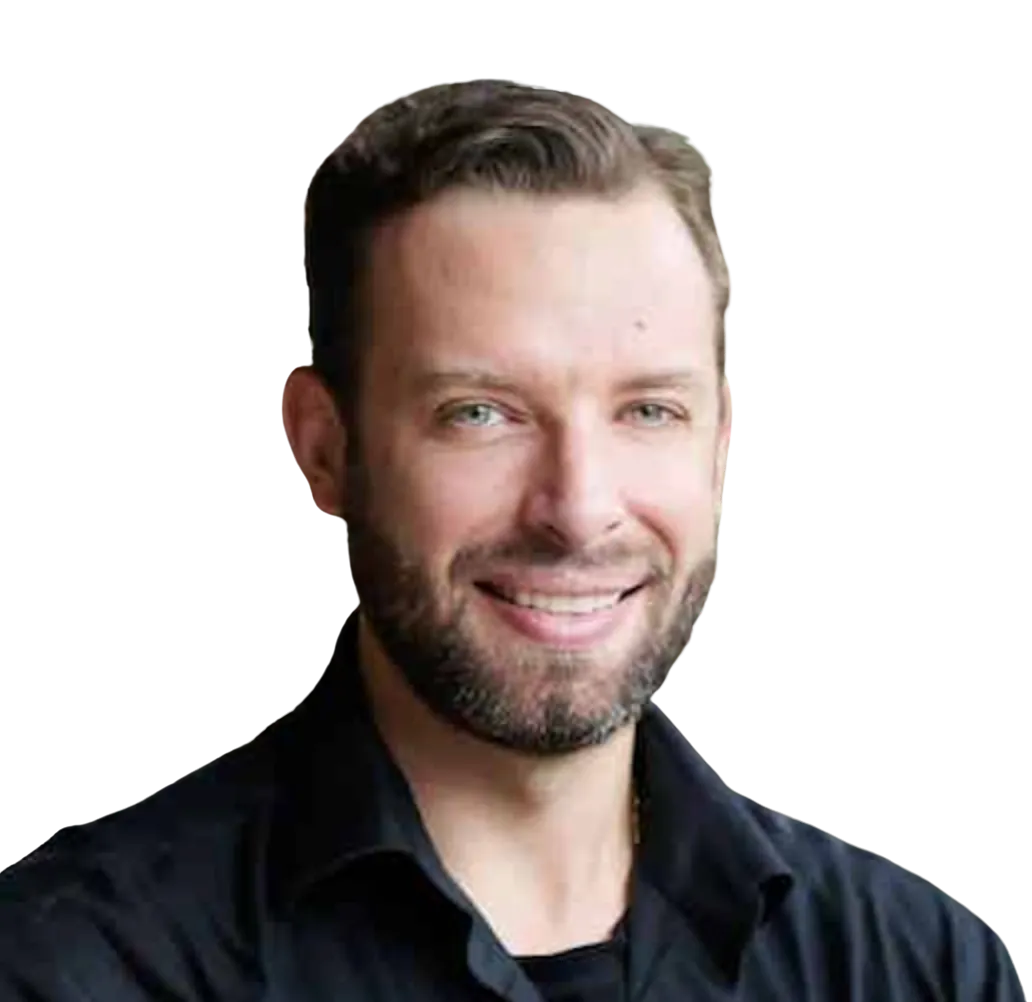
Seth Drake, L.Ac., MSOM
Licensed Acupuncturist
Board Certified
Chinese Herbal Medicine
18+ Years Clinical Experience
Seth Drake has more than 18 years of experience in acupuncture and Chinese Medicine. His clinical work emphasizes individualized diagnosis, Classical Chinese Medicine, and treatment strategies designed around the complete clinical picture rather than isolated symptoms.
His practice works with patients seeking care for chronic pain, inflammatory illness, stress-related conditions, sleep disturbance, digestive problems, dermatological conditions, and other difficult-to-resolve health concerns.
“The goal is to understand what the body is showing us and choose treatment from that pattern.”
YOUR PRACTITIONER
Seth Drake, L.Ac., MSOM
Licensed Acupuncturist
Board Certified
18+ Years Clinical Experience
Chinese Herbal Medicine
Seth Drake has more than 18 years of experience in acupuncture and Chinese Medicine. His clinical work emphasizes individualized diagnosis, Classical Chinese Medicine, and treatment strategies designed around the complete clinical picture rather than isolated symptoms.
His practice works with patients seeking care for chronic pain, inflammatory illness, stress-related conditions, sleep disturbance, digestive problems, dermatological conditions, and other difficult-to-resolve health concerns.
“The goal is to understand what the body is showing us and choose treatment from that pattern.”
FREQUENTLY ASKED QUESTIONS
What to know before your visit.
A few common questions about acupuncture treatment at the clinic.
What is Classical Nei Jing Style Acupuncture?
It is a classical acupuncture approach derived from the Huangdi Neijing. In this framework, treatment does not depend primarily on modern point-action theory. Instead, the practitioner evaluates the body’s circulatory pathways, tissue planes, physical findings, and obstruction patterns, then selects a needling strategy designed to restore freer circulation and dynamic balance.
How many treatments will I need?
Treatment frequency and duration depend on the condition, how long it has been present, its severity, and how your body responds. A more specific recommendation can be made after your initial evaluation.
Can acupuncture be combined with Chinese herbs?
Yes. Acupuncture and Chinese herbal medicine may be used together or separately, depending on your diagnosis and treatment goals.
Do you only treat pain?
No. Pain is a common reason people seek acupuncture, but the clinic also works with sleep, stress-related illness, digestive disorders, inflammatory conditions, women's health concerns, and complex chronic health patterns.
How do I know whether acupuncture is appropriate for me?
A complimentary 20-minute consultation is available to discuss your condition, treatment goals, and whether the clinic's approach is appropriate for your needs.
BEGIN WITH A CONVERSATION
Find out whether acupuncture is right for your condition.
Schedule a complimentary 20-minute consultation to discuss your symptoms, health history, and the most appropriate next step.
Rocky Mountain TCM
Classical Chinese medicine for the treatment and management of chronic and resistant inflammatory conditions. Integrating Traditional Chinese Medicine, acupuncture, Chinese herbal medicine, and evidence-informed functional medicine.
Explore
Home
About the Clinic
Conditions
Acupuncture
Siddha Varma Therapy
Testimonials
Contact
DERMATOLOGY
Eczema
Psoriasis
Rosacea
Perioral Dermatitis
Functional Medicine
Cystic Acne
Rheumatoid Arthritis
CLINIC INFORMATION
@2026 Rocky Mountain TCM | All rights reserved.
Privacy Policy | Terms of Use