Rocky Mountain TCM
Acupuncture · TCM Dermatology
Siddha Varma Therapy
Rocky Mountain TCM
Acupuncture · TCM Dermatology
Siddha Varma Therapy
Specialized care for persistent eczema
Stop managing the flare. Understand
Stop managing the flare. Understand what keeps driving it.
what keeps driving it.
A comprehensive paid consultation for adults, young adults, and children who have not found lasting results through conventional eczema care.
18+
Years in Chinese medicine
Specialized
Dermatology-focused care
Individualized
No one-size-fits-all protocol
18+
Years in Chinese medicine
Specialized
Dermatology-focused care
Individualized
No one-size-fits-all protocol
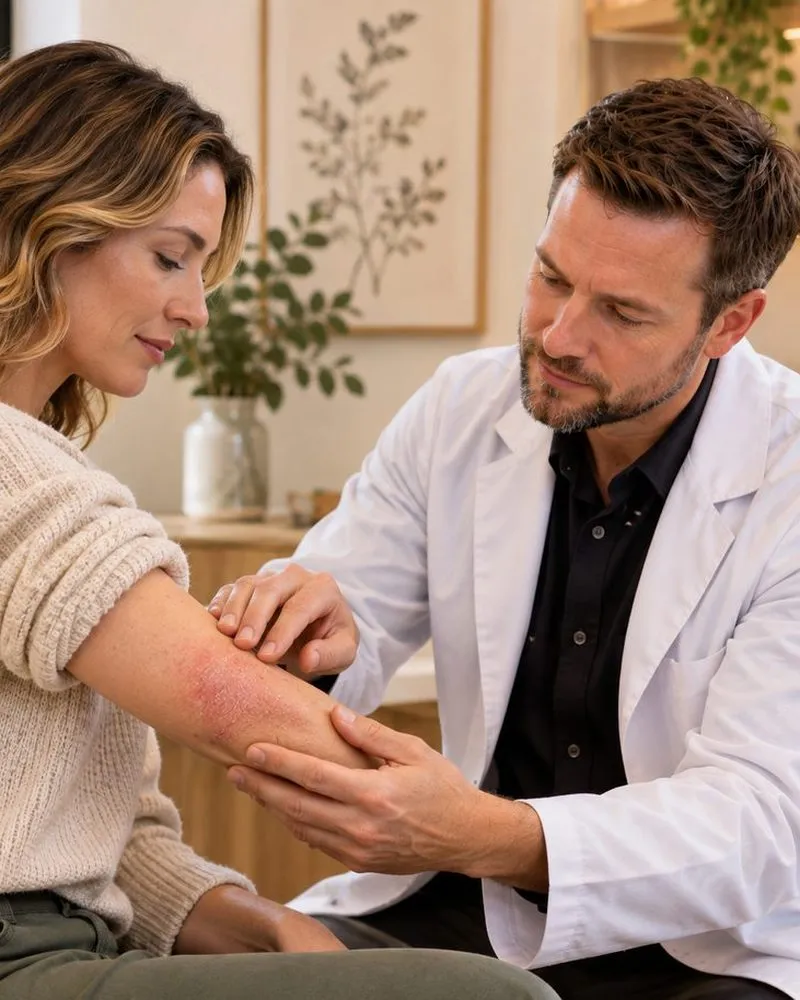
Chinese Medicine pattern diagnosis
Herbal medicine
Nutrition strategy
Functional testing when indicated
WHY ECZEMA PERSISTS
The skin is where you see the problem. It may not be where the problem begins.
Persistent eczema often involves multiple overlapping systems. The consultation is designed to connect the pattern instead of treating each symptom in isolation.
01. Immune Activity
Immune activity
We examine flare patterns, sensitivity, inflammation, reactivity, and the way the immune system may be contributing to repeated skin symptoms.
When and how flares begin
Patterns of redness, heat, itching, and weeping
Possible triggers and immune stressors
02. Skin Barrier
Skin barrier function
We review dryness, cracking, weeping, topical products, bathing habits, infection tendency, and the skin’s ability to retain moisture and repair itself.
Dryness, cracking, and water loss
Topical products and bathing habits
Recurring irritation or infection patterns
03. Microbiome
Microbiome and digestion
Digestive symptoms, food reactions, recurrent infections, antibiotic history, and microbiome concerns may help explain why eczema remains difficult to control.
Bloating, stool patterns, and food reactions
Antibiotic and infection history
When functional testing may be useful
01. Immune Activity
Immune activity
We examine flare patterns, sensitivity, inflammation, reactivity, and the way the immune system may be contributing to repeated skin symptoms.
When and how flares begin
Patterns of redness, heat, itching, and weeping
Possible triggers and immune stressors
02. Skin Barrier
Skin barrier function
We review dryness, cracking, weeping, topical products, bathing habits, infection tendency, and the skin’s ability to retain moisture and repair itself.
Dryness, cracking, and water loss
Topical products and bathing habits
Recurring irritation or infection patterns
03. Microbiome
Microbiome and digestion
Digestive symptoms, food reactions, recurrent infections, antibiotic history, and microbiome concerns may help explain why eczema remains difficult to control.
Bloating, stool patterns, and food reactions
Antibiotic and infection history
When functional testing may be useful
04. Stress physiology
Stress physiology and recovery
Sleep quality, daily stress, nervous-system strain, and recovery capacity may affect inflammation, itching, and the ability to heal between flares.
Sleep and overnight recovery
Stress-linked flare patterns
Daily rhythms and nervous-system load
04. Stress physiology
Stress physiology and recovery
Sleep quality, daily stress, nervous-system strain, and recovery capacity may affect inflammation, itching, and the ability to heal between flares.
Sleep and overnight recovery
Stress-linked flare patterns
Daily rhythms and nervous-system load
Conditions we treat
Eczema does not look the same in every patient.
Different inflammatory skin conditions can produce dryness, itching, redness, scaling, weeping, burning, or recurrent flares. Identifying the specific presentation, location, triggers, and broader clinical pattern helps guide a more individualized approach to care.
Atopic Dermatitis
A common chronic inflammatory skin condition that may cycle between periods of improvement and flare.
Dry, itchy, inflamed skin
Commonly affects skin folds, face, neck, hands, or body
Flares may be influenced by environment, stress, irritants, or allergens
Can occur in both children and adults
Nummular Dermatitis
An inflammatory dermatitis characterized by round or coin-shaped patches that can become intensely itchy and irritated.
Circular or oval inflamed patches
Dryness, scaling, or crusting
Often appears on the arms, legs, or trunk
May worsen during dry weather or after skin irritation
Dyshidrotic Dermatitis
A form of eczema that commonly affects the hands and feet and may cause small, intensely itchy blisters.
Small fluid-filled blisters
Intense itching or burning
Peeling, cracking, or dryness after flares
Commonly affects fingers, palms, and soles
Perioral Dermatitis
Care aimed at reducing inflammation, reactivity, papules, burning, and recurring irritation around the mouth, nose, and eyes.
Perioral presentations
Perinasal involvement
Periocular involvement
Recurrent steroid-associated flares
Infantile Eczema
Eczema occurring during infancy or early childhood, often presenting differently depending on the child's age and skin pattern.
Dry, red, sensitive skin
Common on the cheeks, scalp, arms, or legs
Itching that may interfere with sleep
Flares may be influenced by irritants, climate, or other individual triggers
Weeping Eczema
A more active inflammatory presentation in which irritated skin may release clear fluid or develop crusting.
Oozing or weeping areas
Redness, swelling, and significant irritation
Crusting after fluid dries
Requires careful evaluation, especially when infection may be a concern
Seborrheic Dermatitis
A recurring inflammatory skin condition that commonly affects oil-rich areas of the scalp, face, and upper body.
Flaking or scaling
Redness and irritation
Common around the scalp, eyebrows, nose, ears, or beard area
May cycle through periods of improvement and recurrence
The Rocky Mountain TCM approach
Built for complex cases that need more than another cream.
A structured consultation that combines traditional pattern recognition with a modern clinical review.
01
Understand the pattern
We organize the full history, flare behavior, digestion, sleep, stress, medications, topicals, and treatment response.
02
Differentiate the root
Your case is evaluated through Chinese Medicine pattern differentiation rather than a diagnosis-only protocol.
03
Build the strategy
Recommendations may include herbs, nutrition, topical care, acupuncture, lifestyle changes, or functional testing.
Symptom management
Focuses mainly on the visible rash
Short, medication-centered visits
General recommendations
Temporary control may be the main goal
Comprehensive evaluation
Examines the full pattern behind repeated flares
Detailed clinical history and individualized planning
General recommendations
Temporary control may be the main goal
A clearer path forward
From confusion and repeated flares to a treatment plan that finally makes sense.
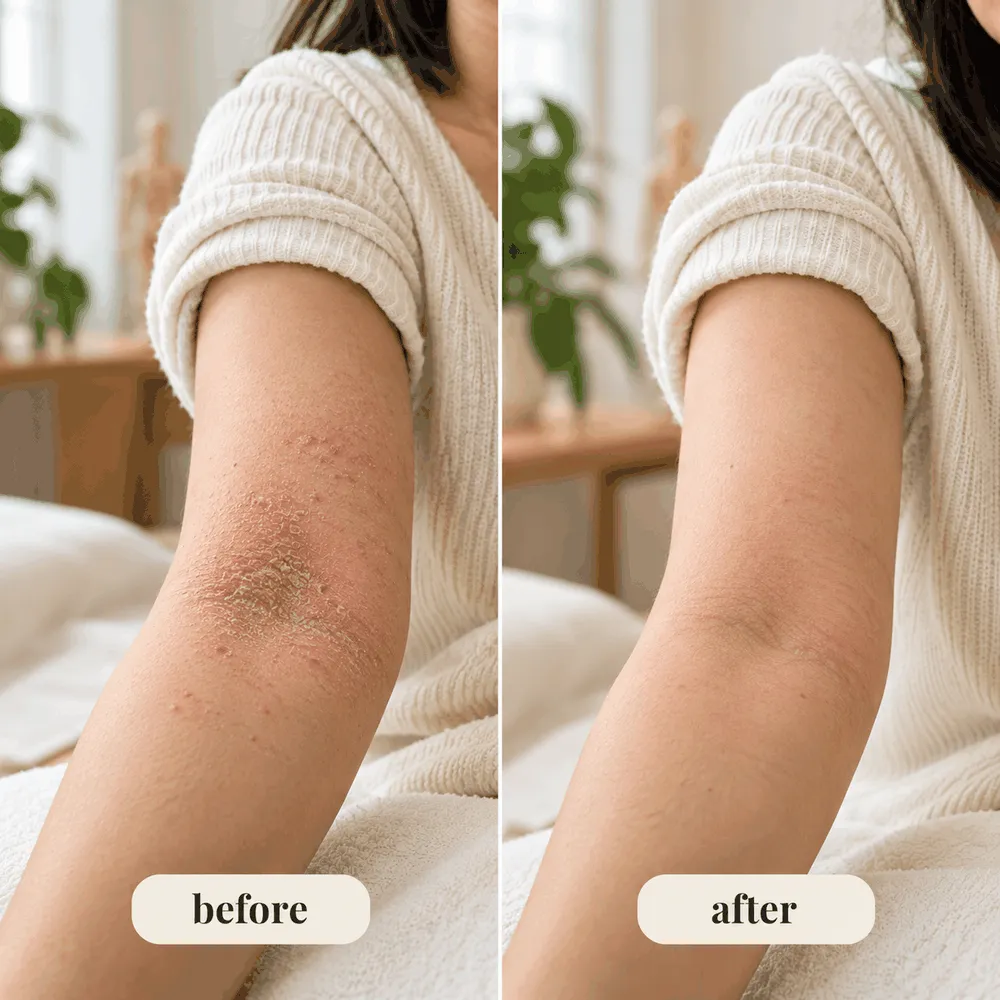
PATIENT STORIES
Care that helps patients feel understood.
Your consultation process
Four steps to a more complete clinical picture.
STEP 01
Reserve your appointment
Select the consultation, complete
payment, and choose an available time.
STEP 02
Complete your intake
Share your eczema history, treatments,
diet, medications, labs, symptoms, and
major concerns.
STEP 03
Review the full pattern
We examine your case through Chinese
Medicine and an integrative clinical
framework.
STEP 04
Receive your direction
You leave with an explanation of the likely pattern and the most appropriate next steps.
STEP 01
Reserve your appointment
Select the consultation, complete
payment, and choose an available time.
STEP 02
Complete your intake
Share your eczema history, treatments,
diet, medications, labs, symptoms, and
major concerns.
STEP 03
Review the full pattern
We examine your case through Chinese
Medicine and an integrative clinical
framework.
STEP 04
Receive your direction
You leave with an explanation of the
likely pattern and the most appropriate
next steps.
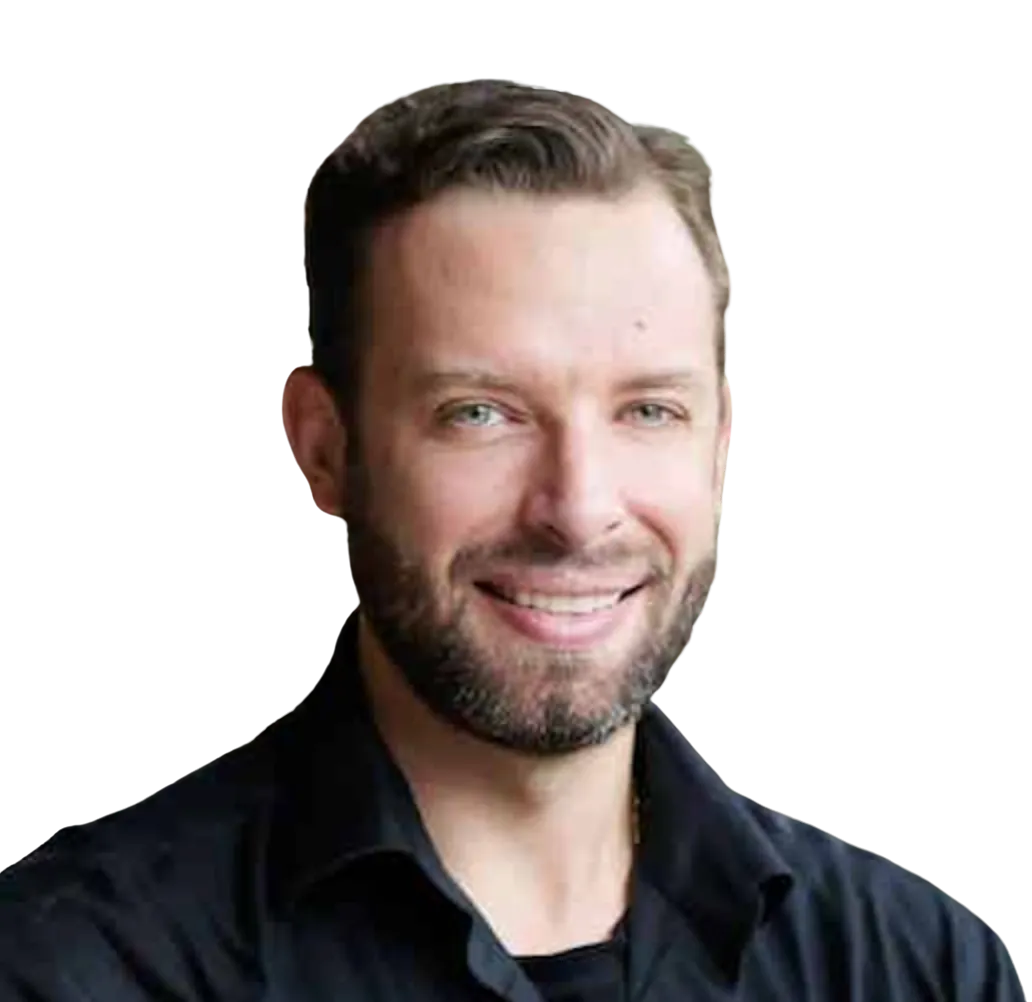
MEET YOUR PRACTITIONER
Seth Drake, L.Ac., MSOM
Licensed Acupuncturist
Board Certified
Chinese Herbal Medicine
Licensed Acupuncturist
Board Certified
Integrative Dermatology
Chinese Herbal Medicine
Integrative Dermatology
Seth Drake has more than 18 years of experience in Classical Nei Jing Style Acupuncture and Chinese Medical Dermatology. His clinical work brings together Traditional Chinese Medical Dermatology, Chinese herbal dermatology, nutrition, functional testing, and individualized lifestyle guidance.
His practice is built for patients with chronic, inflammatory, autoimmune, dermatological, and difficult-to-resolve conditions who need a broader, more organized clinical approach.
“The goal is not simply to suppress symptoms. It is to understand the pattern well enough to help the body move toward greater stability.”
FREQUENTLY ASKED QUESTIONS
What to know before booking.
Understanding what to expect helps you make a confident decision about your care.
Which skin conditions do you treat?
The clinic focuses on eczema, psoriasis, rosacea, perioral dermatitis, cystic acne, and other chronic inflammatory skin conditions. Adults, young adults, and children are seen; a parent or legal guardian must attend for minors.
Do you prescribe steroids or biologics?
No. The clinic focuses on Chinese Medicine, nutrition, lifestyle interventions, topical support, acupuncture, and evidence-informed functional medicine principles. Medication changes should be discussed with the prescribing clinician.
Is acupuncture required?
No. The treatment strategy may include herbs, nutrition, topical care, lifestyle changes, acupuncture, or testing depending on the individual case.
Will I need functional laboratory testing?
Not necessarily. Testing is considered only when it is likely to provide clinically useful information. Options may include GI-MAP, Organic Acids Testing, or Mycotoxin testing when indicated.
Can you coordinate with my dermatologist?
Yes. Integrative care can complement your existing medical treatment. Do not discontinue prescribed medication without consulting the prescribing clinician.
TAKE THE NEXT STEP
Book your eczema consultation.
Our work is especially suited for people whose health has not returned to normal despite repeated treatment, fragmented care, or short-term symptom management.
Comprehensive case review
Chinese Medicine pattern assessment
Individualized next-step recommendationS
Rocky Mountain TCM
Classical Chinese medicine for the treatment and management of chronic and resistant inflammatory conditions. Integrating Traditional Chinese Medicine, acupuncture, Chinese herbal medicine, and evidence-informed functional medicine.
Explore
Home
About the Clinic
Conditions
Acupuncture
Siddha Varma Therapy
Testimonials
Contact
DERMATOLOGY
Eczema
Psoriasis
Rosacea
Perioral Dermatitis
Functional Medicine
Cystic Acne
Rheumatoid Arthritis
CLINIC INFORMATION
@2026 Rocky Mountain TCM | All rights reserved.
Privacy Policy | Terms of Use